
The landscape of modern application development is undergoing a profound transformation. As we navigate an increasingly data-rich world, the ability to harness dynamic, high-frequency, unstructured, and structured data is no longer a luxury but a necessity. This article argues for a strategic shift in how we build intelligent applications, moving beyond the traditional reliance on Retrieval Augmented Generation (RAG) for knowledge graph interactions and embracing a more integrated, graph-centric approach.
Why "Stop Using RAG for Knowledge Graph" is a Relevant Topic
The provocative statement "stop using RAG for knowledge graphs" isn't about abandoning RAG entirely. Instead, it signals a crucial evolution in how AI systems, particularly those powered by Large Language Models (LLMs), interact with and leverage knowledge graphs (KGs). While RAG has undeniably enhanced LLM capabilities by providing external knowledge, its limitations become stark when dealing with the intricate, interconnected nature of knowledge graphs.
The core issue lies in RAG's primary strength: retrieving semantically similar text snippets. For knowledge graphs, which explicitly represent entities and their complex relationships, traditional RAG often falls short. It struggles to fully utilize the rich relational context critical for tasks demanding multi-hop reasoning or understanding nuanced connections.
The Need to Rethink RAG for Knowledge Graphs
Let's delve deeper into why a re-evaluation of RAG's role in knowledge graph applications is imperative:
- Handling Structured Data and Relationships: RAG's strength lies in its ability to retrieve text segments based on semantic similarity. However, KGs are inherently structured, designed to explicitly represent entities and their relationships. Traditional RAG, relying heavily on vector search, often fails to fully leverage this rich relational context. This becomes a significant drawback for tasks requiring multi-hop reasoning (e.g., "What products are used by customers who also use service X and are located in city Y?") or understanding complex, interconnected information.
- Challenges with Complex and Dynamic Data: While RAG can bring in up-to-date information, its effectiveness hinges on the organization and structure of the underlying data. Ensuring the retrieved information is truly relevant and not merely semantically similar can be challenging, especially with constantly evolving datasets. Knowledge graphs, by design, excel at handling complex relationships and can be updated dynamically, ensuring the data remains fresh and relevant for real-time applications.
- Opaque Reasoning and Explainability: A significant limitation of traditional RAG is the difficulty in tracing how an LLM arrived at a specific answer. This "black box" nature can be a major hurdle in domains demanding auditability, trust, and transparent decision-making (e.g., financial trading, medical diagnostics). Knowledge graphs, with their explicit representation of relationships and pathways, can significantly enhance the explainability and traceability of LLM outputs, allowing users to understand the underlying reasoning.
Moving Beyond Traditional RAG: The GraphRAG Approach
Instead of a complete abandonment of RAG, the current trend points towards more specialized approaches, notably GraphRAG. This paradigm synergistically combines the strengths of LLMs and knowledge graphs, directly addressing the shortcomings of traditional RAG by integrating KGs as a core component of the retrieval process.
GraphRAG typically involves:
- Knowledge Graph Construction: This foundational step involves transforming disparate, often unstructured, data into a cohesive network of nodes (representing entities like people, organizations, products, events) and edges (representing the relationships between these entities, such as "buys," "works for," "is located in").
- Semantic Clustering & Multi-Hop Reasoning: Leveraging the inherent structure of the graph for more sophisticated retrieval is key. This allows the model to "hop" across the knowledge graph, following relationships and understanding complex reasoning chains that go beyond simple keyword matching. For instance, to answer a query about a person's expertise, the system can traverse "works for" relationships to companies, then "has expertise in" relationships from the company to specific domains.
- Visual Representation: Utilizing visual tools and advanced query languages (like Cypher for Neo4j) to understand hidden relationships within the data. This visual exploration capability leads to improved transparency and explainability in LLM outputs, allowing developers and users to visualize the retrieved context.
The following diagram provides a comprehensive overview of the GraphRAG process:
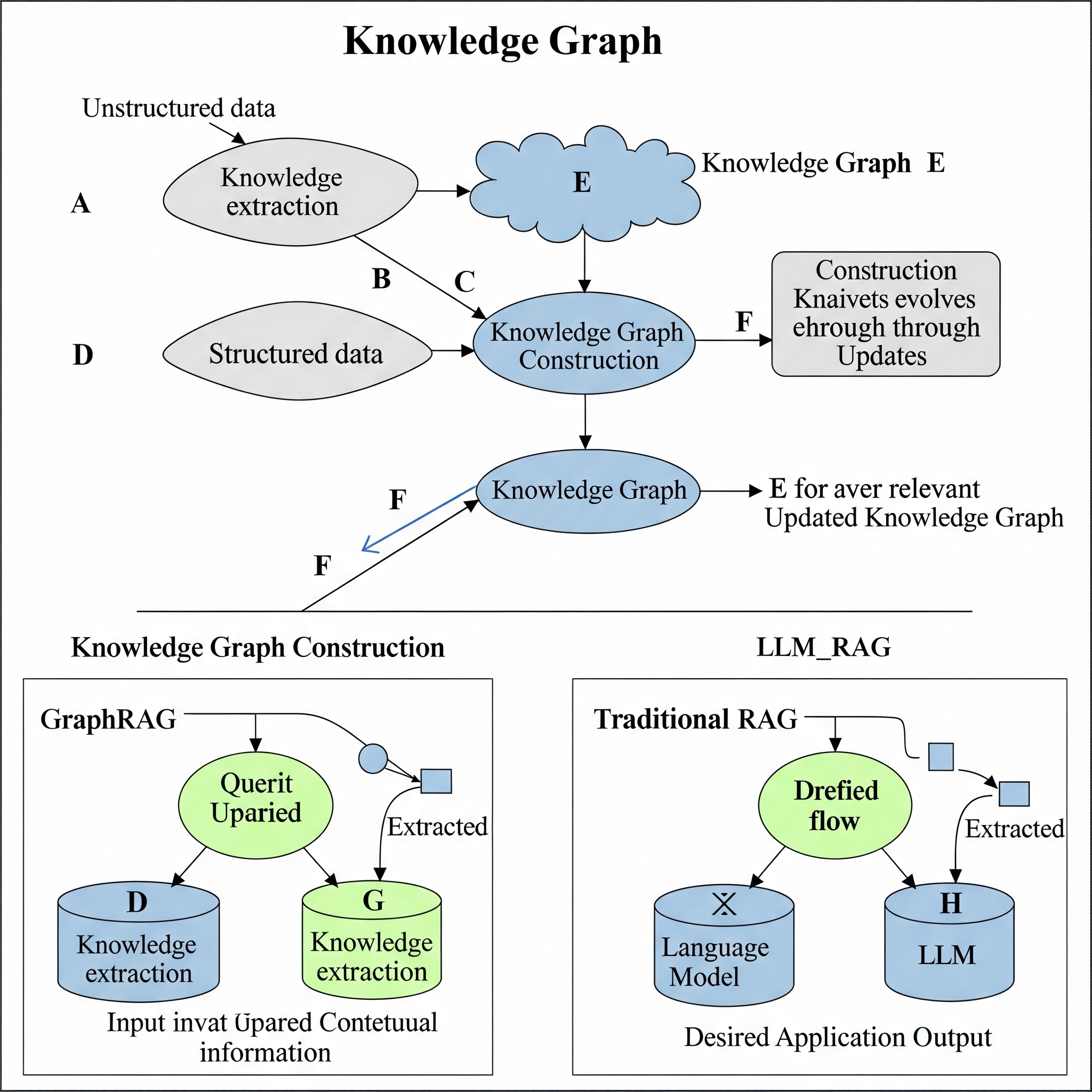 Figure 1: Conceptual Flow of GraphRAG vs. Traditional RAG
The Future is Hybrid: Synergy of LLMs and Knowledge Graphs
The trajectory for AI in knowledge graph applications undeniably points towards a hybrid approach. This strategy capitalizes on the unique strengths of both LLMs and knowledge graphs, fostering a synergistic relationship:
- LLMs for Natural Language Processing and Understanding: LLMs remain unparalleled in their ability to understand natural language queries, summarize information, and generate human-like responses. They are excellent at interpreting user intent and synthesizing information.
- Knowledge Graphs for Structure and Relationships: KGs provide the foundational structure and explicit relationships that ground LLM outputs in factual accuracy and significantly enhance their reasoning capabilities. They serve as a verifiable source of truth.
- Specialized Retrieval Techniques (e.g., GraphRAG): Techniques like GraphRAG are crucial for enabling LLMs to efficiently and intelligently access and utilize the structured information within knowledge graphs. This ensures that the LLM is provided with relevant, interconnected context, rather than just isolated text snippets.
In essence, the evolution isn't about discarding RAG, but rather about refining and augmenting it to better leverage the unique power of knowledge graphs, leading to AI applications that are more accurate, insightful, and explainable.
Building Domain-Specific Knowledge Graphs: A Challenge and Its Solution
The necessity of domain-specific KBs and the challenge of building them during application development are crucial points. Indeed, a tailored knowledge base (KB) or knowledge graph (KG) is paramount for providing precise and relevant information, as well as enabling advanced reasoning capabilities within a specific domain. However, constructing such a robust KG, especially for dynamic, domain-specific applications, presents distinct challenges:
- Data Scarcity and Quality: Gathering truly relevant data and ensuring its quality can be a significant hurdle, particularly in niche or nascent domains, or when dealing with legacy systems and diverse unstructured data formats.
- Knowledge Extraction and Representation: The process of extracting entities, relationships, and facts from various, often heterogeneous, sources and accurately representing them within the KG schema can be complex and labor-intensive.
- Schema Design and Evolution: Defining a flexible and accurate KG schema that can evolve alongside the application's needs is critical. Managing this evolution over time, as new data types and relationships emerge, can be a major challenge.
- Integration with Applications: Seamlessly integrating the KG into applications to ensure efficient querying, real-time updates, and optimal performance is essential for user adoption and system efficacy.
Approaches to Building a Knowledge Base During Application Development
Addressing these challenges requires a methodical approach, often combining manual efforts, automated tools, and strategic planning:
1. Define Clear Objectives and Scope:
- Focus on a specific use case: Instead of attempting to model an entire domain at once, start with a highly focused goal that delivers immediate value. This could be enhancing search, powering a recommendation system, or improving enterprise knowledge management for a specific process.
- Prioritize key information and relationships: Identify the entities and relationships that are absolutely essential for the application's core functionality and prioritize their inclusion in the initial KG development.
2. Iterative and Incremental Development:
- Start small: Begin with a manageable subset of data and a simplified schema. Validate your approach with this initial iteration and refine the KG based on early feedback and application usage patterns.
- Expand incrementally: Gradually add more data, entities, and relationships as the application evolves, new requirements become clearer, and the initial successes build confidence.
3. Leverage Domain Expertise:
- Collaborate with subject matter experts (SMEs): Actively engage domain specialists. Their insights are invaluable for identifying key entities, defining accurate relationships, and validating the relevance and factual accuracy of the KG content.
- Capture tacit knowledge: Explore methods to capture and integrate valuable, experience-based insights held by domain experts into the KG, which often aren't explicitly documented.
4. Adopt Appropriate Tools and Technologies:
- Choose a suitable graph database: Select a database management system (DBMS) that natively supports the graph model, efficient querying, and scalability requirements (e.g., Neo4j, Amazon Neptune, ArangoDB).
- Explore knowledge extraction tools: Utilize information extraction tools and advanced Natural Language Processing (NLP) techniques (e.g., entity linking, relation extraction) to automate the process of extracting knowledge from various data sources.
- Consider low-code/no-code platforms: For building user interfaces and custom functionalities on top of the KG, platforms like Caspio or AppGyver can accelerate prototyping and simplify maintenance.
5. Build Robust Data Pipelines:
- Automate data ingestion and updates: Implement automated data ingestion pipelines that can continuously update the KG as new information becomes available, ensuring its temporal integrity and freshness.
- Focus on data quality and consistency: Prioritize data cleaning, standardization, and deduplication from various sources to ensure accuracy and prevent inconsistencies within the KG.
6. Integrate KG into Application Workflow:
- Embed knowledge graph queries: Design the application to directly leverage graph database queries (like Cypher for Neo4j) to access and utilize the structured information within the KG.
- Utilize Retrieval Augmented Generation (RAG) frameworks: Frameworks like LlamaIndex and LangChain can facilitate the integration of the KG with LLMs for generating more accurate and contextually relevant responses.
7. Continuous Improvement and Maintenance:
- Monitor performance and usage patterns: Track key metrics such as query performance, popular content, and user satisfaction to identify areas for improvement and refinement.
- Regularly review and update content: Implement a systematic process for reviewing and updating the KG content, ensuring it remains accurate, relevant, and consistent with evolving business needs and product changes.
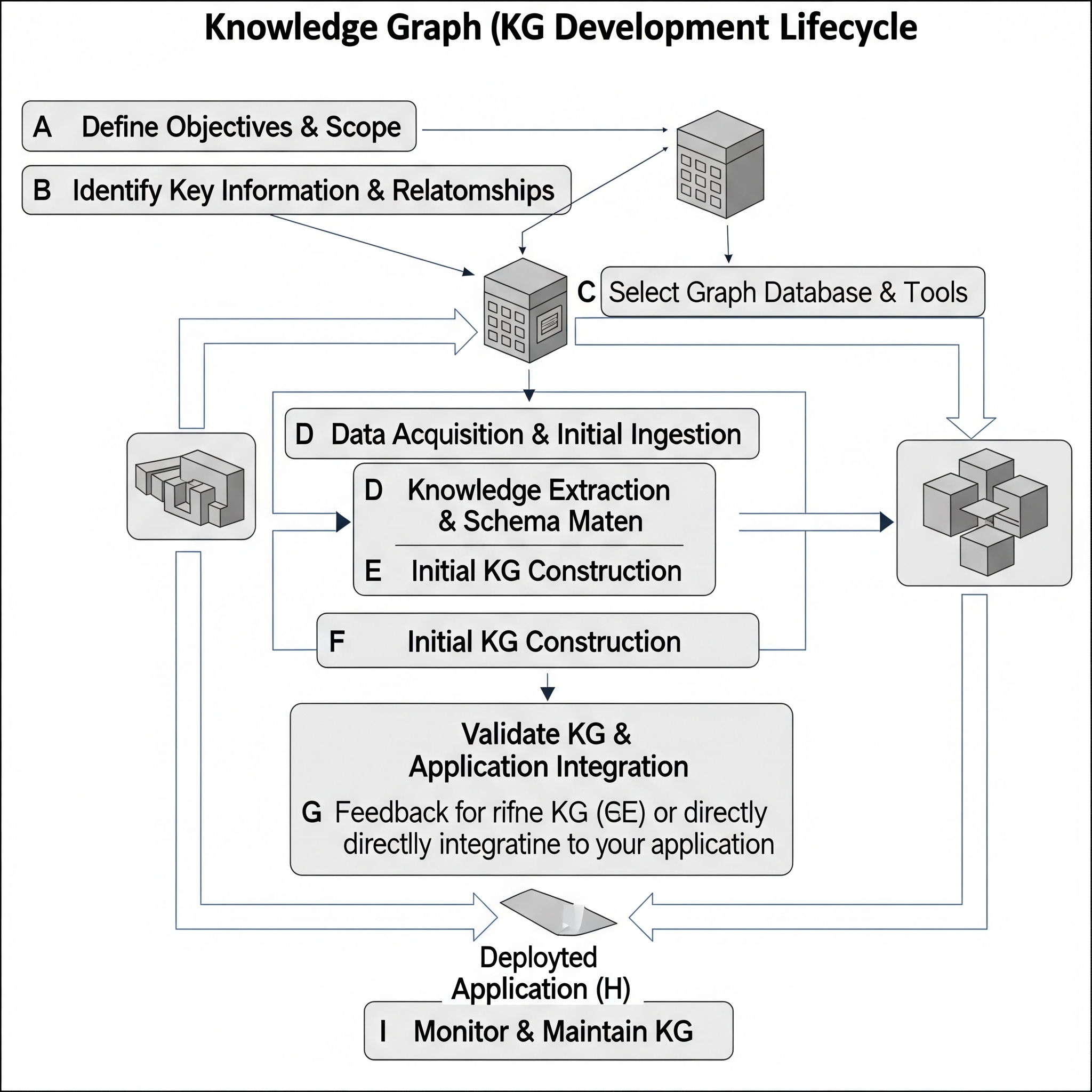 Figure 2: Iterative Knowledge Graph Development Flowchart
The State of Dynamic Data in KGs: High-Frequency Feeds and Real-time Adaptation
You've honed in on the absolute cutting edge: managing and planning with KBs/KGs when dealing with dynamic data from high-frequency feeds like Bloomberg, or evolving environmental conditions due to global warming. This isn't just about static, structured data; it's about a continuous, potentially volatile, stream of information that impacts critical decisions in diverse sectors like high-frequency trading and risk underwriting (e.g., for airfares, hotels, insurance).
Achieving this "state" where dynamic data is seamlessly managed and synced through a KG-powered ecosystem requires a sophisticated architecture and a nuanced approach to data ingestion, processing, and application integration.
Handling Dynamic Data from Feeds in a Knowledge Graph: Key Strategies
1. Stream Processing and Real-time Ingestion:
- Message Queues: Technologies like Apache Kafka or RabbitMQ are indispensable for ingesting high-velocity data streams (e.g., tick-by-tick market data, real-time sensor readings, weather updates). They act as a buffer and provide reliable, scalable data transport.
- Stream Processing Engines: Engines like Apache Flink or Apache Spark Streaming are crucial for processing these high-velocity, continuous streams. They can perform real-time data transformation, filtering, aggregation, and the extraction of relevant entities, attributes, and relationships.
- Data Transformation in-stream: Data needs to be transformed and enriched within the stream processing pipeline to conform to the KG's schema before ingestion. This ensures that only relevant and correctly structured data updates the graph.
2. Schema and Ontology Design for Dynamism:
- Flexibility and Extensibility: The KG schema must be inherently flexible. It needs to accommodate new entities and relationships that arise from the dynamic data feeds without requiring major schema overhauls. This often involves using extensible property graphs or semantic web standards (RDF/OWL) that are designed for evolving schemas.
- Temporal Modeling: Crucially, the KG must incorporate temporal properties (e.g., timestamps, validity periods, versioning for relationships). This allows the KG to not just store current facts but to understand the evolution of entities and relationships over time – "at this time, the temperature was X," "this stock price was Y during this period."
- Version Control for KG: The KG's schema and potentially subsets of its data should be versioned to track changes, enable rollbacks, and ensure data integrity over time.
3. Data Quality and Validation for Real-time Feeds:
- Automated Validation: Implement robust, automated data validation within the ingestion pipeline. This can involve schema validation, range checks, consistency checks across related data points, and anomaly detection.
- Data Cleansing and Standardization: Employ automated techniques to cleanse and standardize data from disparate sources, handling potential inconsistencies, missing values, and errors in real-time.
- Alerting and Monitoring: Set up comprehensive alerts and dashboards to track the quality, latency, and throughput of ingested data, and monitor for anomalies or deviations from expected patterns.
4. Integration with Applications: Real-time Sync:
- API Gateways: Use robust API gateways to provide secure, high-performance, and efficient access to the KG for various consuming applications (e.g., trading platforms, risk underwriting tools, logistics systems).
- Real-time Queries and Subscriptions: Design the KG database and its access layer to support low-latency queries. For applications requiring immediate updates, explore graph database subscriptions or Change Data Capture (CDC) mechanisms to push real-time updates from the KG to interested applications.
- Event-Driven Architecture: Embrace an event-driven architecture. Changes or significant events within the KG (e.g., a critical weather alert, a major market fluctuation, a new geopolitical development) can trigger events that are then consumed by relevant applications, prompting immediate action or re-evaluation.
5. Synchronization Across Diverse Applications:
- Data Consistency Strategies: For high-frequency, distributed systems, strict transactional consistency across all applications might be impractical. Implement robust mechanisms to ensure data consistency, potentially leaning towards eventual consistency patterns where appropriate, combined with compensating transactions or reconciliation processes.
- Semantic Layer: A well-defined, shared semantic layer atop the KG is paramount. This ensures that different applications, regardless of their specific needs, understand and interpret the data from the KG in a consistent and standardized manner. This layer maps application-specific terms to KG entities and relationships.
Challenges and Mitigation Strategies
Building such a dynamic, KG-powered ecosystem is inherently challenging:
- Data Heterogeneity: Different data feeds will have vastly different formats, structures, and update frequencies.
- Data Quality Issues: Ensuring the accuracy and completeness of data, especially from external, volatile sources, is a continuous battle.
- Scalability Requirements: The KG must be able to handle immense volumes of data ingestion and low-latency queries simultaneously.
- Latency Requirements: Real-time applications have strict latency requirements for data processing and delivery of insights.
- Data Governance and Security: Implementing robust governance and security measures for sensitive and often regulated data is critical.
To mitigate these, consider:
- Modular and Microservices Architecture: Build a modular system with independent components for ingestion, processing, storage, querying, and application integration. Deploying these as microservices enhances scalability, fault tolerance, and maintainability.
- Infrastructure as Code (IaC): Use IaC (e.g., Terraform, Ansible) to automate the deployment, scaling, and management of the entire infrastructure stack, ensuring consistency and repeatability.
- Cloud-Native Technologies: Leverage cloud-native technologies (e.g., Kubernetes for orchestration, cloud-managed streaming services, serverless functions) to scale the system horizontally and manage operational complexity.
- Comprehensive Monitoring and Logging: Implement extensive monitoring, logging, and tracing across the entire pipeline to track performance, identify bottlenecks, and troubleshoot issues quickly.
Evolving and Adapting the KG
A critical aspect of managing dynamic data is the continuous ability to evolve and adapt the KG and its schema over time:
- Continuous Schema Evolution: Regularly review and update the KG's schema and ontology to accommodate new entities, relationships, and data points discovered from evolving data feeds or new business requirements.
- Versioning and Backward Compatibility: Carefully version the schema and ensure backward compatibility for consuming applications to prevent breaking changes during updates.
- Feedback Loops: Establish strong feedback loops with consuming applications and domain experts. Their insights on how the KG is used, where information gaps exist, or where the data might be inaccurate are invaluable for continuous improvement.
Example: High-Frequency Trading and Climate Risk Underwriting
Let's integrate the Bloomberg data and evolving weather conditions into a unified, KG-driven approach:
Imagine a platform that needs to integrate Bloomberg's real-time market data with dynamic weather feeds to inform both high-frequency trading strategies and risk underwriting for climate-sensitive sectors (airfares, hotels, insurance).
Here's a conceptual architecture diagram for such a system:
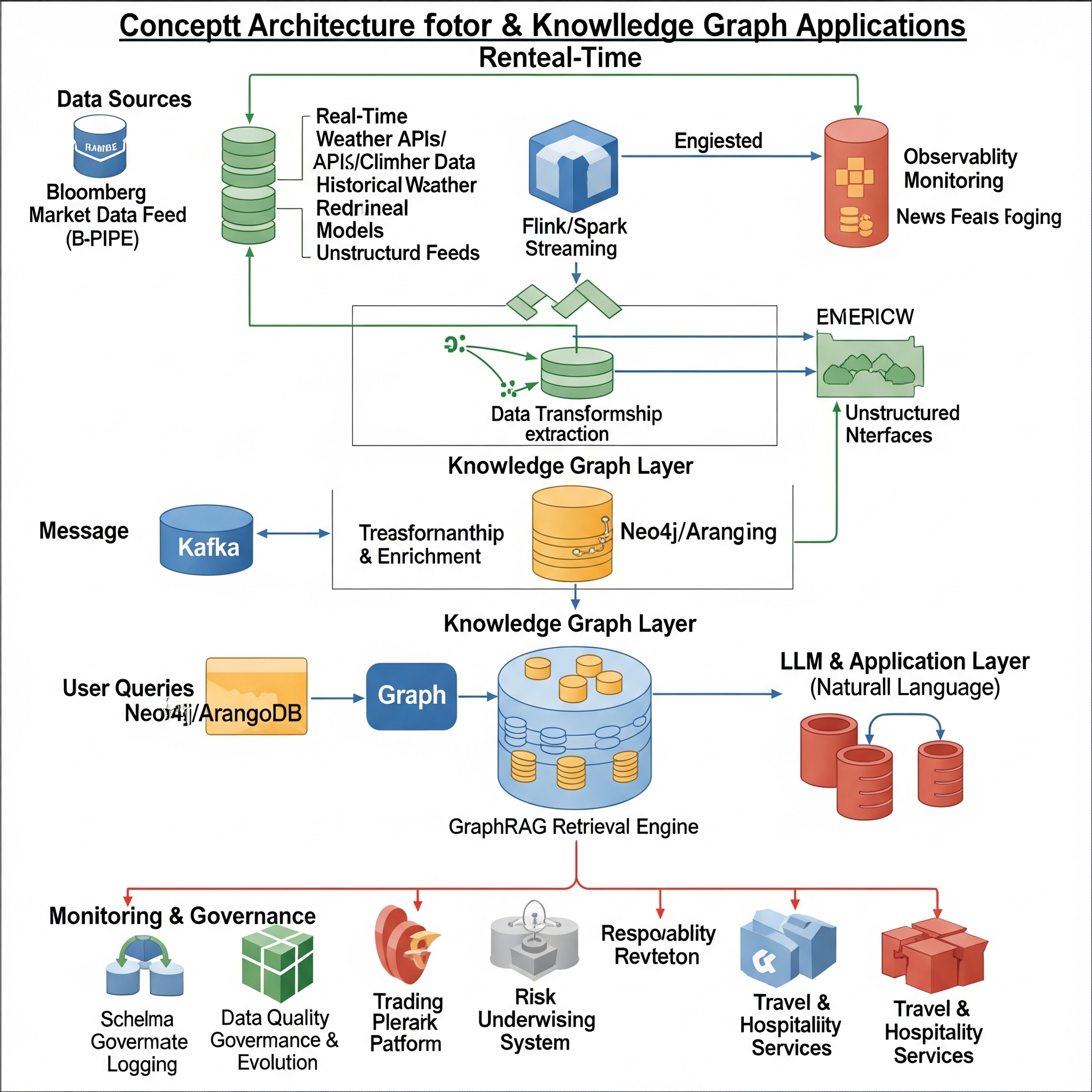 Figure 3: Conceptual Architecture for Dynamic Data & Knowledge Graph Applications
Detailed Flow:
Bloomberg Data Ingestion:
- Stream Processing: Bloomberg's B-PIPE data (real-time market data, news, economic indicators) is ingested via a high-throughput Message Queue (Kafka) and processed by a Stream Processing Engine (Flink/Spark Streaming).
- Entity & Relationship Extraction: The engine extracts entities like securities (stocks, bonds, derivatives), companies, economic events, news sentiment, and relationships (e.g., "Company X's stock is trading at Y," "News Z is impacting Company X"). This data is continuously updated in the KG.
- Temporal Attributes: Each price, trade, or news event is timestamped and potentially versioned within the KG to allow for historical analysis and time-series queries.
Weather Feed Ingestion:
- API Ingestion/Data Lake: Weather data APIs (e.g., from meteorological services, climate models like Copernicus, satellite imagery data) are consumed. Given the volume, some raw data might initially land in a data lake (e.g., S3) for batch processing and archiving.
- Stream Processing & Geospatial Linking: Relevant weather events (e.g., heatwaves, floods, unusual rainfall patterns, hurricane trajectories) are extracted from the streams. Crucially, these events are linked to specific geographical locations using geospatial data within the KG.
- Impact Analysis: Relationships are created to link these weather events to their potential impacts: "Heatwave in Europe impacts Tourism in Spain," "Floods in China disrupt Supply Chain for Electronics." These impacts can be probabilistic and dynamically updated.
Cross-Domain KG Integration and Reasoning:
- Interconnected KG: The trading data (companies, supply chains, geopolitical events) and climate data (weather events, affected regions, sectoral impacts) are integrated within a single, continuously updated Knowledge Graph Database.
- Risk Modeling and Predictive Analytics:
- Trading: Graph queries can identify companies whose supply chains are exposed to flood-affected regions in China, or whose energy costs might surge due to heatwaves in Europe, allowing traders to adjust positions in real-time.
- Underwriting: For an insurance company, the KG can link evolving weather patterns to specific property portfolios, assess the expected frequency and severity of claims, and dynamically adjust underwriting premiums for airfares or hotel bookings based on projected weather risks.
- Product Development: For a travel company, the KG can identify regions experiencing favorable weather patterns for new tour packages, or conversely, areas to avoid due to climate risks.
Application Synchronization:
- Real-time Alerts: The KG can trigger real-time alerts to trading desks (e.g., "Flash flood warning impacting key supplier for XYZ Corp stock"), or to underwriting systems (e.g., "Increased flood risk identified for properties in Region A, review policy premiums").
- Dashboards & Insights: Interactive dashboards powered by the KG provide holistic views, allowing users to drill down into interconnected risks and opportunities.
- LLM Integration (GraphRAG): Users can ask natural language queries like, "What's the current impact of Eur
- opean heatwaves on hotel bookings in Spain and related airline stocks?" The GraphRAG Retrieval Engine retrieves the relevant subgraph (heatwave entity, its impact on tourism in Spain, related hotel chains, and their publicly traded stocks), and the LLM synthesizes this structured information into a coherent, actionable response for the various applications.
The continuous challenge of achieving and sustaining this "state" of rich, dynamic data in a knowledge graph lies in automation, robust data pipelines, flexible schema management, strong data governance, and an iterative development approach. This is the path to truly intelligent, context-aware applications.